
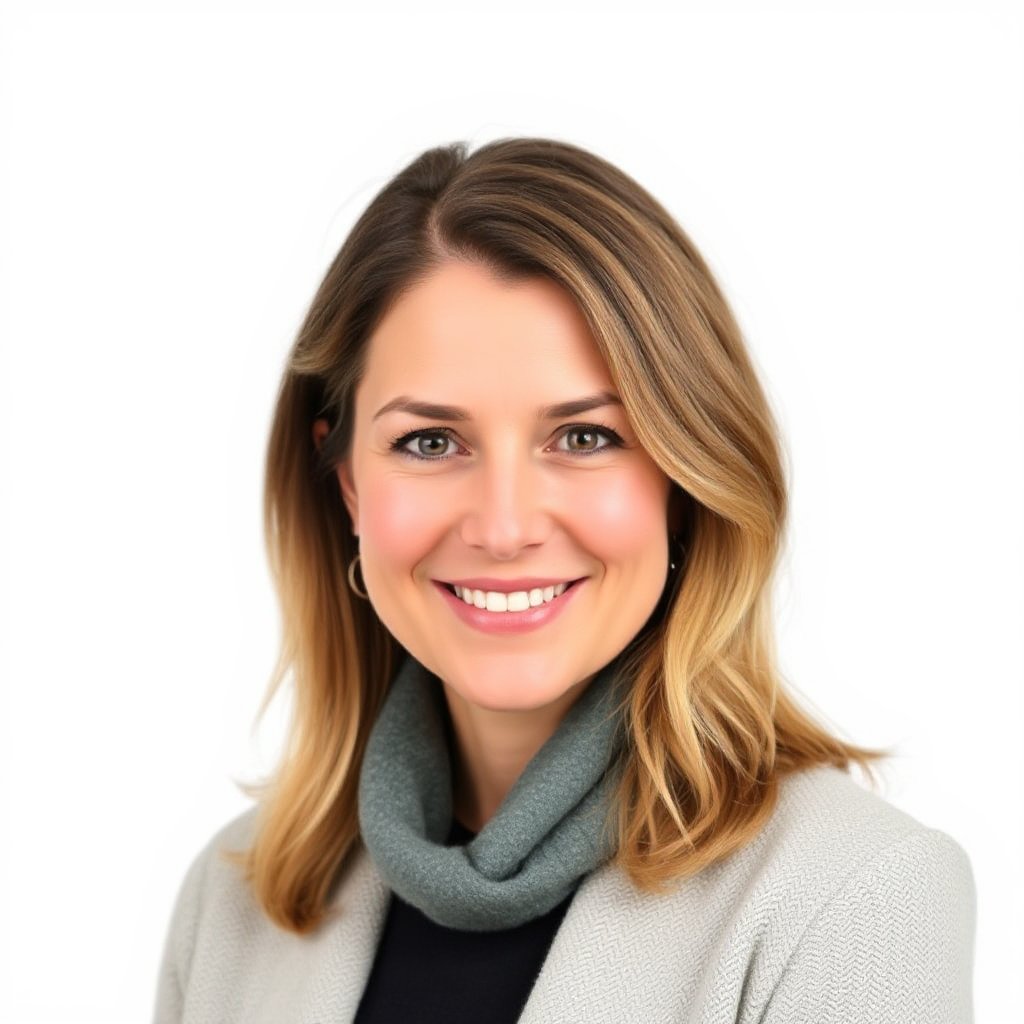

Previous Google executive has been officially appointed as the BBC's next director general.
The former president of Google's EMEA division will take over from Tim Davie, who announced his exit in the autumn in the wake of a row over how a Panorama presented a address by former President Trump.
The corporation's chairman Samir Shah stated that Brittin, who left Google in the previous year after a long tenure, "brings to the BBC considerable knowledge of leading a high-profile and sophisticated organisation during significant evolution".
Brittin, 57 said he "can't wait to commence this role", labeling it "a moment of genuine risk, yet also real possibility".
He added that the United Kingdom requires "a robust BBC that benefits the public in a complex, volatile and quickly shifting environment".
Outlining his agenda, he continued: "The BBC needs the momentum and drive to be simultaneously at the heart of news, and where audiences are. To strengthen the reach, credibility and creative strengths currently, confront difficulties with bravery, and prosper as a publicly-funded broadcaster fit for the years ahead."
'Radical Reform'
Shah described Brittin "an exceptional figurehead" with "the capabilities necessary to navigate the organisation through the numerous developments occurring in the industry and in audience behaviours".
The BBC chief also highlighted his "passion for the BBC, his understanding of the issues facing the organisation, his dedication to its independence and his resolve to preserve the BBC's standing as one of the nation's most important public institutions".
The incoming chief arrives at "a critical moment", as the government reviews the BBC's royal charter, Shah continued.
"Undoubtedly there is need for sweeping change of the BBC, its licence fee system and the structure in which it operates. The consequences for the BBC, and the future of publicly-funded media, have never been greater."

The BBC's leadership role is seen to be one of the toughest in British media.
During his tenure as the BBC's 17th director general, he was tasked with handling a series of scandals and crises at the broadcaster.
His immediate concerns will encompass handling a multi-billion dollar libel claim brought by the US president against the BBC.
Trump is challenging the way the programme spliced two segments of a address he delivered on January 6th, for which the BBC has said sorry.
Recently the organisation petitioned a legal body to throw out the case, arguing the Panorama episode did not transmit in the United States.
BBC at a Critical Juncture
The new chief takes charge at a crucial period for the BBC in several areas, too.
He will proceed with discussions with the government on the broadcaster's charter and the prospects of the TV licence and BBC funding.
The existing framework, which outlines the objectives and purposes of the BBC's existence, will run out in 2027.
Brittin's hiring also occurs at a point when the BBC is competing with tech giants in the online content landscape.
The search engine's corporate entity owns YouTube, with which the BBC recently revealed a major agreement to produce bespoke content.
Corporate Background a Advantage?
A number of people inside Google "speak highly" about him, as an motivational manager and a great collaborator".
Some have queried the BBC's choice of someone with a professional roots in technology rather than public service or established content expertise.
However, it is believed that "he was chosen by the corporation's directors for his first-hand experience of big tech. There's an expectation he will accelerate the shift to online, for example in journalism. He'll also almost certainly prioritise evolving and improving BBC iPlayer."
Former senior BBC journalist Peter Barron, who collaborated with Brittin at Google, remarked he is "highly motivated by a sense of the public good".
"He is passionate about the BBC for its trusted news and its originality, but he's also very conscious of its history as a technological pioneer.
"He aims the BBC to succeed in a environment where several of its biggest difficulties are linked to technology, whether that's the dominance of the streaming services, digital false information, or simply how the public prefer to access programmes.
"Given his experience and connections across the digital world, and also the ties he's forged with TV networks, the news industry, oversight bodies and authorities, I think he's very well placed to meet the challenges."
Who is the New Director General?

Born in southern England, he obtained a qualification from the University of Cambridge, while also rowing for them in the annual race on three occasions.
He also competed for Great Britain and won|secured|earned


